
Additional Information & Advice
Damp, mould and moisture problems can have a number of different causes, and the correct approach depends on the individual property and circumstances. The information below provides general guidance on some of the common issues we encounter and explains when a professional investigation may be useful.
Understanding Damp & Moisture
Damp and moisture problems are not always caused by the same issue. Condensation, water ingress, plumbing leaks, building defects, inadequate ventilation and insulation problems can all produce similar visible symptoms. Identifying the underlying cause is important before deciding what action or remedial work may be required.
A professional survey can help distinguish between the possible causes by considering the condition of the property alongside moisture readings, visual evidence and, where appropriate, thermal imaging.
Condensation & Mould
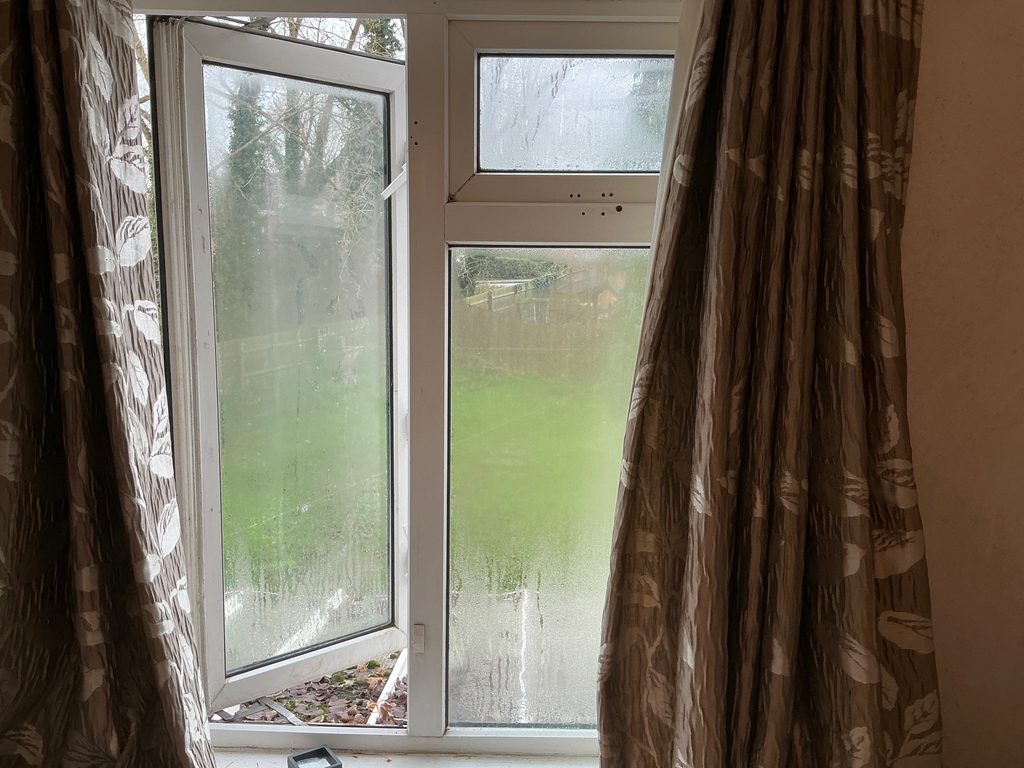
Condensation occurs when moisture in the air comes into contact with a surface that is cold enough for water droplets to form. It is commonly associated with bathrooms, kitchens, bedrooms and other areas where moisture levels may be higher or ventilation is limited.
Persistent condensation can contribute to mould growth, particularly on colder walls, around windows, behind furniture and in areas with restricted air movement. However, mould should not automatically be assumed to be caused by condensation, as other sources of moisture may produce similar symptoms.
Where the cause is unclear or the problem keeps returning, further investigation can help identify the conditions contributing to the issue and determine the appropriate next steps.
Example of significant mould growth within a property. Mould can develop for a number of reasons, which is why identifying the underlying moisture and environmental conditions is important.
Water Ingress & Leaks
Moisture entering a property can originate from a variety of sources, including defects to roofs, walls, windows, doors, plumbing systems and external drainage. The visible damp area is not always directly beside the source, as water can travel through building materials before becoming apparent.
Signs may include localised damp patches, staining, deterioration of finishes, unusually high moisture readings or problems that become more noticeable following rainfall or use of plumbing.
Careful investigation can help trace the likely source of the moisture and reduce the risk of carrying out unnecessary remedial work without first addressing the underlying cause.
Why Damp & Mould Problems Can Return
Cleaning mould or redecorating a damp area may improve its appearance, but if the underlying source of moisture has not been identified and addressed, the problem may return.
Recurring problems can indicate that further investigation is needed. Looking at the wider conditions within the property can help establish whether factors such as condensation, water ingress, leaks, ventilation, insulation or other building-related issues may be contributing.
Identifying the likely cause allows any recommendations or remedial work to be better targeted towards the actual problem rather than simply treating the visible symptoms.
When to Consider a Professional Survey
A professional survey may be useful when the cause of damp, mould or excess moisture is unclear, when a problem continues to return, or when you want a clearer understanding of the issue before carrying out remedial work.
AMS Thermography provides independent investigation using practical building knowledge, moisture testing and thermal imaging where appropriate, followed by clear findings and recommendations for the next steps.
Need Further Advice?
If you’re concerned about damp, mould or unexplained moisture in your property, contact AMS Thermography to discuss the problem and arrange a survey where appropriate.